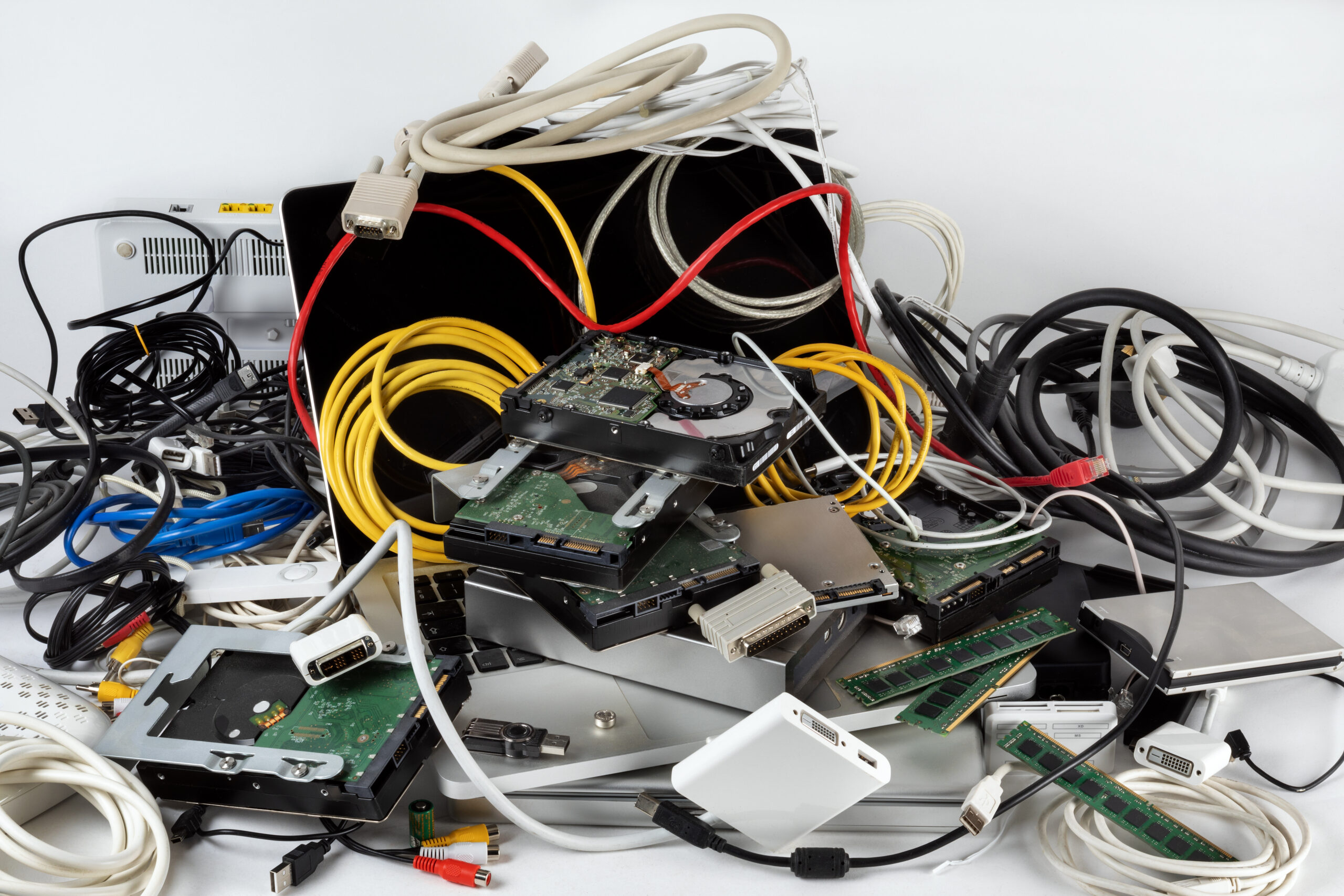

The e-waste industry has long been reactive, stepping in once technology reaches end of life and the challenge is only growing. According to the Global E-waste Monitor 2024, “global e-waste is on track to rise another 32%, to 82 million tons, in 2030” reinforcing how quickly the volume of retired technology is accelerating. As AI becomes more embedded in IT operations, it is also beginning to influence how companies think about electronic recycling and IT asset disposal. In the coming years, AI in e-waste recycling could help make the industry more predictable, transparent, and aligned with how technology is managed across its full lifecycle. Here are a few ways AI could help the e-waste industry move from reactive cleanup to more planned, data-driven outcomes in the years ahead.
The growing impact of AI on electronic waste
As AI adoption accelerates, it is also contributing to the growth of electronic waste. High-performance computing systems, specialized chips, and data center hardware often require more frequent upgrades to keep pace with evolving AI workloads. These components are not only more complex, but also more expensive, making replacement cycles both costly and resource-intensive.
As a result, organizations are facing increased pressure to manage shorter device lifecycles and a growing volume of retired equipment tied to AI infrastructure.
While these challenges are real, they also highlight an opportunity. The same technologies driving this growth can play a role in managing e-waste more effectively.
Smarter Device Retirement with AI in e-waste recycling
AI can analyze usage patterns, performance data, and refresh cycles to better predict when devices are likely to be retired. Instead of sudden disposal projects, organizations may be able to plan e-waste recycling earlier and more consistently. For recycling providers, this creates better forecasting and smoother logistics planning.
Smarter Outcomes for the Device
Not every retired device should immediately enter the recycling stream. Artificial intelligence can help organizations determine which assets still have resale or redeployment value and which ones should be recycled due to age, performance, or security risk.
This supports:
- Longer device lifespans
- Higher recovery value
- Fewer unnecessary destructions
Improved material recovery
As AI-powered vision systems and robotics continue to evolve, electronic recycling facilities may gain better tools for identifying and sorting materials. More accurate separation of metals, plastics, and batteries can lead to higher recovery rates and fewer contaminants, improving both environmental outcomes and operational efficiency.
Stronger compliance and ESG reporting
AI can also support compliance by improving how data is captured and reported throughout the recycling process. This is especially important as ESG reporting and sustainability requirements continue to grow across the e-waste industry.
AI-supported reporting can improve:
- Chain-of-custody documentation
- ESG and sustainability reporting
- Audit-ready records for enterprise clients
Reduced risk and better visibility across the e-waste lifecycle
By analyzing data across the IT asset disposal and recycling lifecycle, AI can help identify weak points in handling, transportation, or data destruction. Earlier detection of issues reduces risk and builds confidence with organizations that are increasingly focused on security and accountability.
What This Means for the E-Waste Industry
AI will not replace responsible recycling practices or certified e-waste providers. Instead, it has the potential to make AI in e-waste recycling and management a practical tool for improving planning, visibility, and decision-making across the IT asset lifecycle. As expectations around sustainability, security, and reporting continue to grow, e-waste providers that understand how AI fits into electronic recycling and IT asset disposal will be better positioned to support organizations in the years ahead.