
The Real Meaning of Decommissioning IT
Decommissioning IT equipment isn’t just about unplugging computers and stacking them in a corner. It’s the secure, compliant, and environmentally responsible process of retiring technology that’s reached the end of its life cycle. That includes everything from retiring computers and other devices to decommissioning data centers.
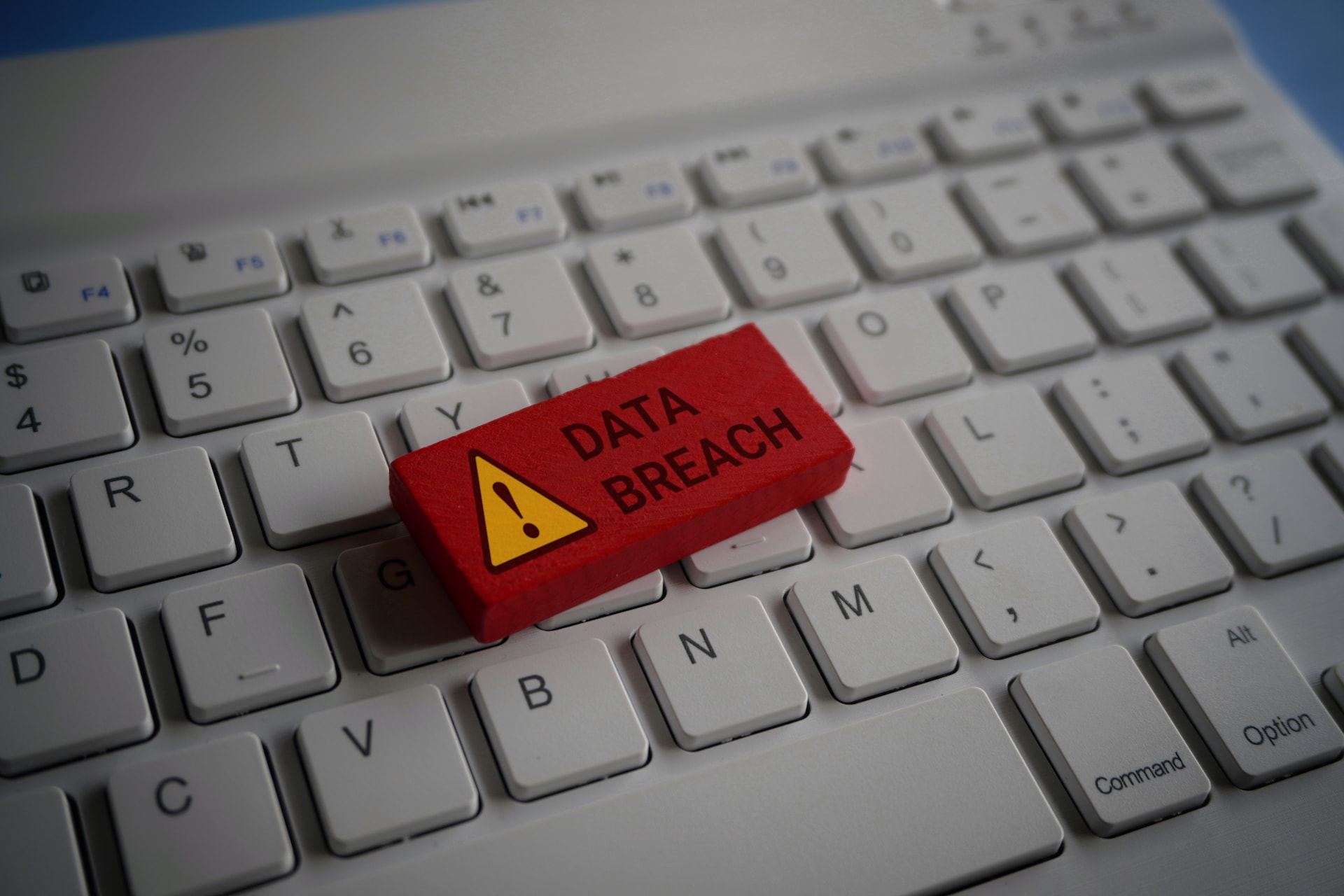
When done correctly, decommissioning IT involves identifying each asset, wiping or destroying data, recycling the hardware responsibly, and documenting every step for compliance. When done incorrectly, it can lead to data breaches, non fines, and wasted resources.
Why DIY Decommissioning Is Risky for Businesses
It’s tempting to think your internal IT team can handle the decommissioning and removal of your current data center, but even experienced staff often underestimate the complexity, risk, and time involved.
Here’s what can go wrong:
- Data exposure: Simply deleting files or reformatting drives doesn’t erase sensitive information. Without certified data destruction, private data can be recovered.
- Regulatory noncompliance: Businesses in finance, healthcare, and other sectors face strict industry mandated rules regarding the handling and destruction of critical data. Failing to follow proper IT asset disposal procedures can lead to heavy penalties.
- Environmental violations: Electronic waste contains hazardous materials that must be handled according to federal and state regulations.
- Lost productivity: Managing logistics, record-keeping, and vendor coordination pulls your IT team away from their other mission critical projects.
DIY may seem cost-effective upfront, but it often costs more in time, risk, and potential liability.
What’s Really Involved in Professional IT Decommissioning
Professional IT decommissioning services go far beyond collecting old computers. A certified e waste recycler manages every step to ensure security, compliance, and accountability.
The process typically includes:
- Project Planning- an onsite visit for planning purposes will help you to better understand the timing and manpower needed to complete the project.
- Asset inventory and tracking – Cataloging every piece of hardware for audit and chain of custody.
- Secure data destruction – Using certified wiping or shredding methods to ensure no data can be recovered.
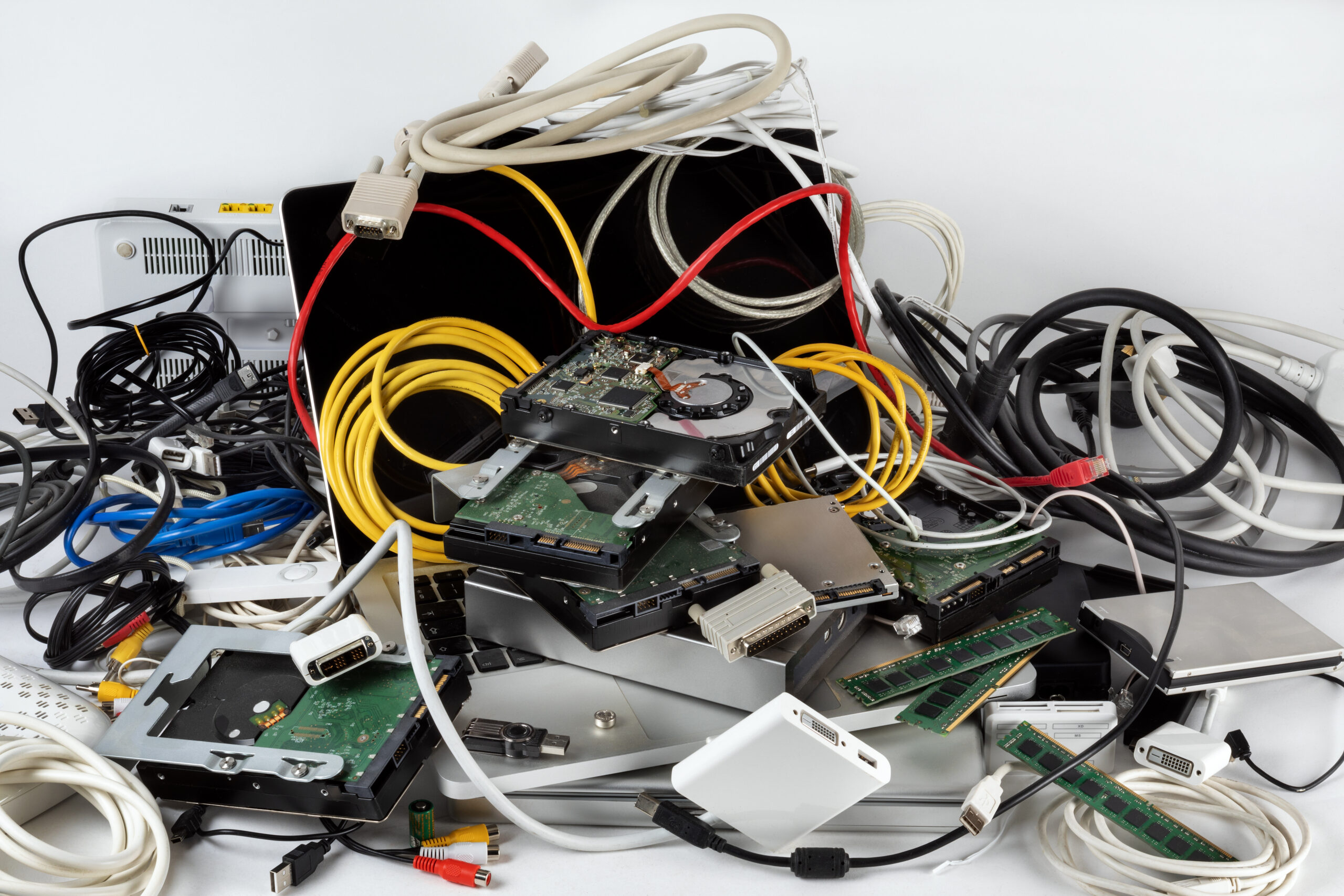
- Equipment dismantling and logistics – Proper handling of cables, drives, and other components for recycling.
- Responsible recycling and documentation – Partnering with a certified e-waste recycler guarantees proper disposal and provides proof for compliance records.
This end-to-end approach eliminates guesswork and ensures your organization stays protected.
Decommissioning at Scale: Data Centers and Servers
When it comes to decommissioning a server or a full data center decommissioning project, the stakes are even higher. Large-scale environments involve complex infrastructure. For example, racks, switches, storage arrays, and power systems. All of which need coordinated removal and tracking.
A professional team brings expertise in:
- Disconnecting and labeling network equipment.
- Handling sensitive storage media.
- Managing freight and transport logistics.
- Providing detailed reporting for asset disposition.
Without proper planning and documentation, one mistake can lead to serious data loss, compliance issues, or equipment damage. Click here to learn the five essential steps for decommissioning a data center
The Benefits of Partnering With a Certified Recycler
Working with a certified recycling partner simplifies everything. You get a single source for secure IT recycling, logistics, and documentation.
A certified e-waste recycler ensures:
- Data security through verified destruction methods.
- Regulatory compliance with R2, e-Stewards, and other industry standards.
- Environmental responsibility through proper material recovery and recycling.
- Peace of mind knowing your equipment and data are handled correctly from start to finish.
This professional approach not only protects your company but also supports sustainability goals and ESG reporting.
The Smart Way to Decommission IT
Decommissioning IT isn’t a DIY project, it’s a process that demands security, expertise, and compliance. Whether you’re decommissioning computers, decommissioning a server, or handling data center decommissioning, partnering with professionals ensures every step is done safely and responsibly.
Your IT team has better things to do than manage waste and risk. Leave the heavy lifting, secure destruction, and recycling to experts who do it every day and do it right.
FAQS:
If you’re wondering how to decommission a computer securely, the short answer is: don’t do it yourself. Simply deleting files or reinstalling an operating system doesn’t remove all data. Partnering with a certified e waste recycler like us ensures every drive is wiped or destroyed according to industry standards. Click the link above to reach out so we can help!
Decommissioning IT refers to the complete process of retiring technology. From data destruction and asset tracking to recycling and compliance documentation. It’s not just about removing old equipment, it’s about protecting data, meeting regulations, and reducing environmental impact.
Decommissioning a server involves secure data wiping, physical removal, and disposal of equipment while maintaining chain-of-custody documentation. This ensures no sensitive information is left behind and that all materials are properly recycled or repurposed.
Secure IT recycling means electronic devices are handled by certified professionals who guarantee that all data is destroyed and that components are recycled safely. This reduces risk for your business while supporting sustainability goal.