Why Windows 10 End of Support Matters for Businesses
Microsoft has confirmed that Windows 10 will reach End of Support on October 14, 2025. After this date, the operating system will no longer receive updates, patches, or security fixes. For businesses, that means:
- Greater vulnerability to cyberattacks
- Compliance risks due to outdated software
- Higher IT costs if legacy systems remain in use
To remain secure and compliant, most organizations will need to upgrade to Windows 11. But with stricter hardware requirements, many older devices simply won’t make the cut.
The Windows 11 Update and Retiring Legacy Devices
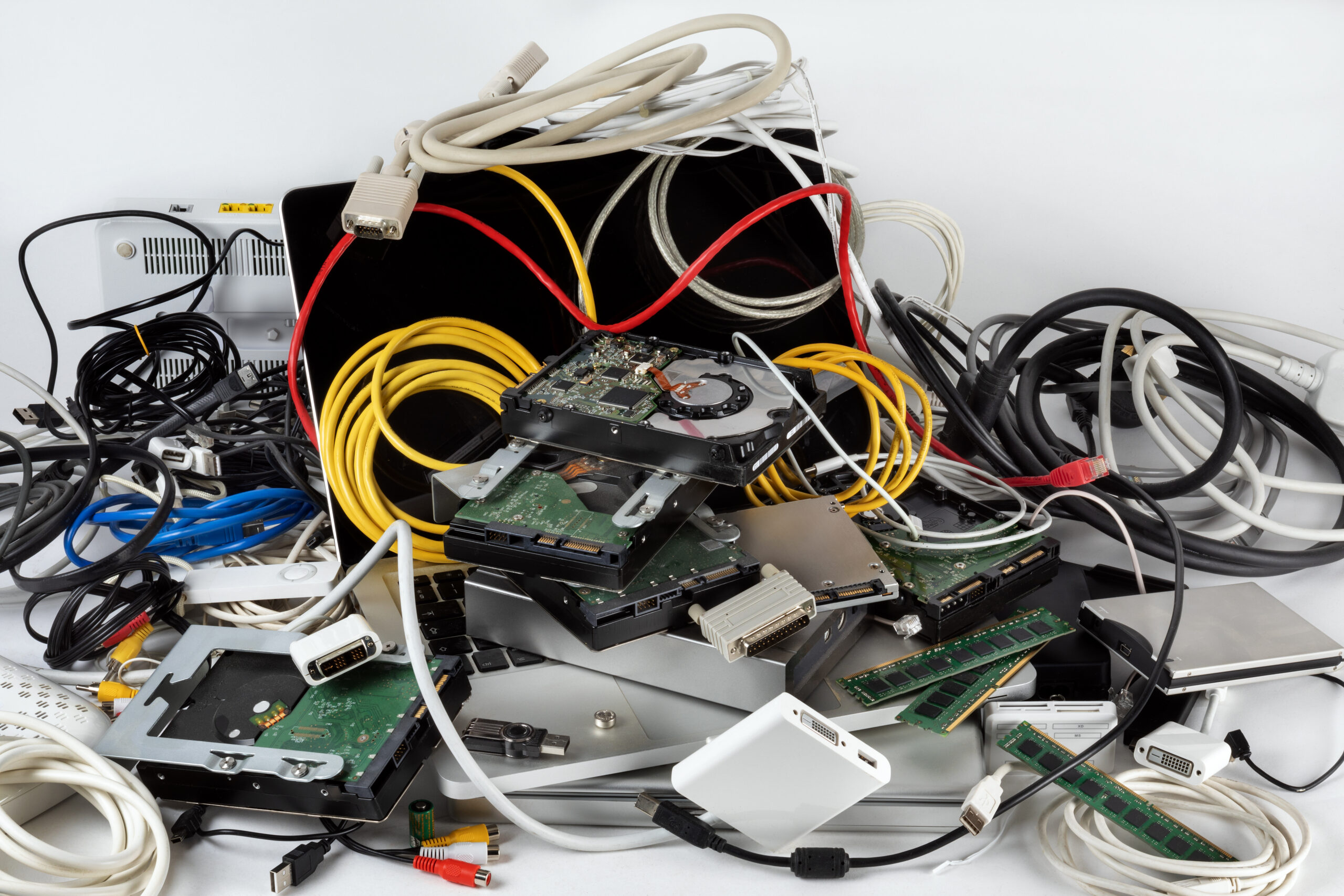
The Windows 11 update requires newer processors, secure boot capabilities, and TPM 2.0 support. As a result, businesses will soon be retiring large numbers of desktops, laptops, and servers.
But what happens to those devices? Tossing them aside is not only risky for data security, it also contributes to the growing global problem of e-waste. That’s why working with a trusted IT Asset Disposition (ITAD) partner is essential.
4 Ways IT Asset Disposition (ITAD) Supports the Transition
1) Data Security for Retired Windows 10 Devices
Every retired computer holds sensitive company and customer data. Certified ITAD providers use rigorous data sanitization and destruction methods to permanently erase information, reducing the risk of data breaches and ensuring compliance with privacy laws like HIPAA, GDPR, and CCPA.
2) Recycling Old Windows 10 Hardware Responsibly
The Windows 11 upgrade will generate a surge of retired devices. ITAD partners ensure those assets are recycled responsibly, preventing harmful materials from entering landfills. Whenever possible, devices are refurbished and reused — the most sustainable form of recycling.
3) Maximizing Value During the Windows 11 Upgrade
Replacing hardware for the Windows 11 update can be costly. Many Windows 10 systems still hold residual market value. ITAD providers can remarket and resell assets, helping businesses recover costs and improve ROI. That value recovery offsets upgrade expenses and supports a more sustainable IT lifecycle.
4) Compliance and Risk Mitigation
E-waste disposal is governed by strict regulations. Certified ITAD vendors stay ahead of compliance requirements so you don’t have to. Many also provide indemnification to protect your business from liability tied to improper disposal or data security lapses.
Why Recycling Windows 10 Devices Matters
As millions of businesses prepare for the Windows 11 update, the world is facing a massive wave of retired equipment. Without proper handling, these devices pose both environmental and data security risks.
By working with a certified ITAD provider, your organization can:
- Safeguard sensitive data
- Meet compliance requirements
- Reduce environmental impact
- Capture ROI from retired assets
This approach turns a major IT challenge into an opportunity for sustainability and cost recovery.
Next Steps for Your Windows 11 Transition
The Windows 10 End of Support deadline is coming fast. Don’t leave security, compliance, and asset value to chance. Our certified ITAD services make your Windows 11 update smooth, secure, and cost-effective by:
- Retiring legacy Windows 10 devices responsibly
- Ensuring complete data destruction
- Recovering value through asset resale
- Guaranteeing compliance with e-waste regulations
Click here to schedule an IT asset recycling and recovery assessment for your Windows 11 transition.
Frequently Asked Questions
What should businesses do with old Windows 10 computers?
Work with a certified ITAD vendor to securely destroy data, recycle devices responsibly, and recover residual value.
Why can’t some devices upgrade to Windows 11?
Windows 11 has stricter hardware requirements, including TPM 2.0 and newer processors. Older devices that don’t meet these standards must be retired.
How does ITAD help with the Windows 11 update?
ITAD services ensure secure data destruction, environmental compliance, and value recovery when retiring Windows 10 devices during the upgrade to Windows 11.