Before building an internal redeployment strategy, it’s important to understand how internal redeployment works and the typical steps in an internal redeployment process. A strong strategy outlines the components of a redeployment process, from initial inventorying to device preparation, data sanitization, and final deployment. When done correctly, this process helps extend device lifecycles and ensures your hardware is fully ready for reuse.
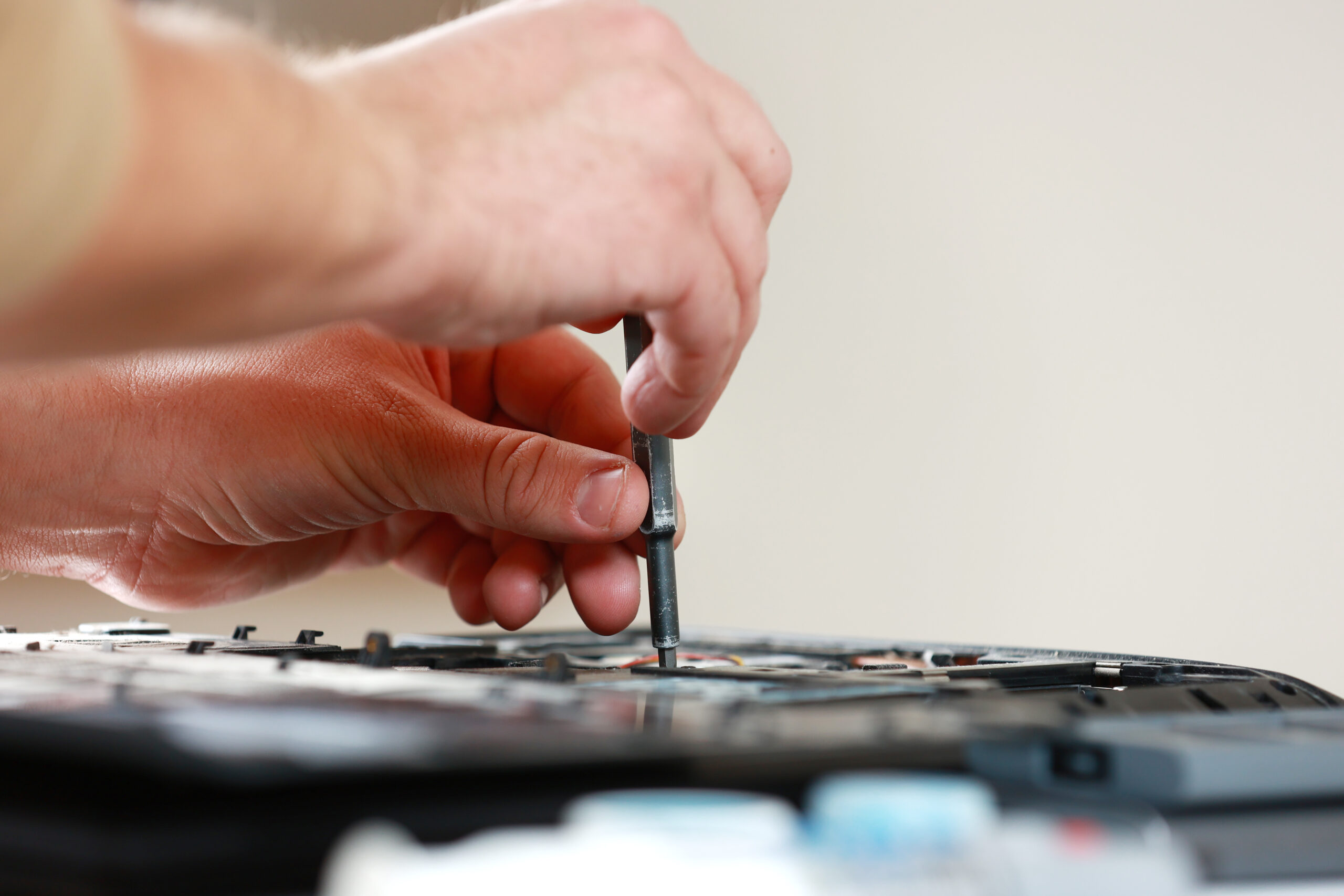
Internal redeployment is a perfect strategy if you’re not quite ready to purchase new equipment, but your current equipment is in no shape for redistribution. With internal redeployment, you’ll eradicate all the data on your old devices, refurbish them, sanitize them, and distribute them to your workforce (or another destination).
However, to make sure your internal redeployment strategy is effective, there are a few features you’ll need to attain.
Addressing Internal Redeployment
Any internal redeployment strategy should have these features in place:
Initial Inventorying
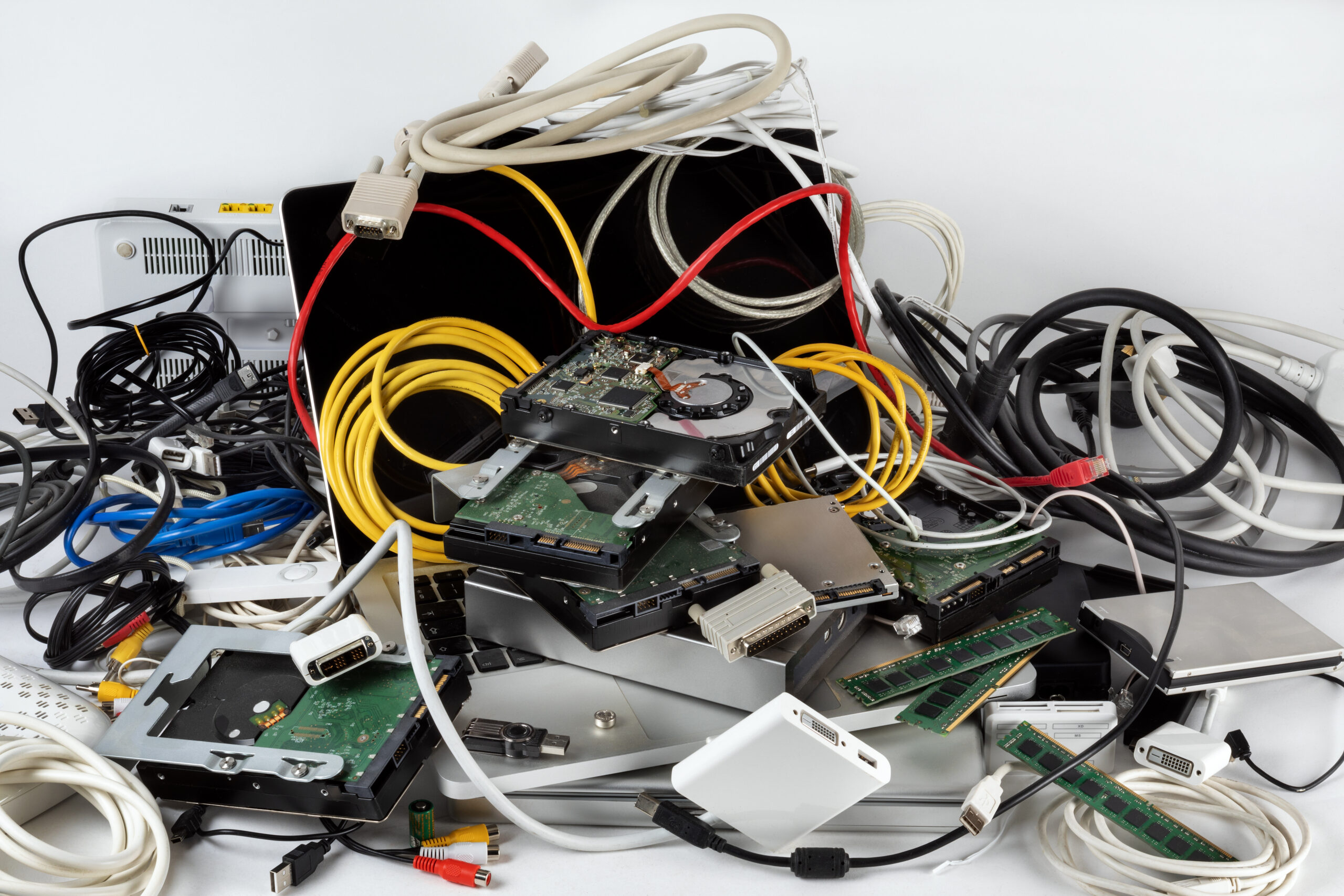
Before you can start the collection process, it’s important to take inventory of what you currently have. You should note any and all devices in your possession, and decide how you want to handle them. Should these devices be refurbished, or simply recycled?
This early stage of the internal redeployment process sets the foundation for device evaluation, allocation planning, and overall IT asset readiness for redeployment.
Security
Refurbishing and redeploying your old devices can open the door to security vulnerabilities if you aren’t careful; if your data isn’t fully eradicated, or if your devices are lost or unattended at any point in the redeployment process, it could represent a weakness in your security strategy. A secure process is essential to ensuring that every device moves safely through the internal hardware preparation process before redeployment.
Compliance
Depending on your industry and location, you may be subject to a number of laws regarding how you store and handle data (particularly consumer data). You’ll need an internal redeployment partner who’s certified, and capable of ensuring your full compliance with these laws. Compliance is a critical component of how a well-designed redeployment process functions from start to finish.
Documentation
There should be documentation at every stage of the internal redeployment process, from inventorying and shipping to reports on data eradication and internal distribution. Accurate documentation also gives visibility into where each asset is in the IT asset lifecycle, which helps teams manage refresh cycles more effectively.
Collaboration
Your internal redeployment partner should treat this as a collaborative relationship; your organizations should be partners working together to achieve a common goal.
End User Satisfaction
Your employees should ultimately be satisfied with their refurbished devices as well; devices should rival the functionality and effectiveness of new technology. This is often the final measure of how well the internal redeployment process was executed.
Are you interested in finding a reliable internal redeployment partner to handle the refurbishing and redistribution of your equipment? Contact e-Waste today to get a free quote for your organization!