
Asset recovery is more than just regaining capital value from used digital and IT equipment. For companies facing major changes, mergers, or technology upgrades, the process of handling surplus assets can be daunting. When done correctly, it allows you to liquidate the IT assets you no longer need while also reducing waste, saving on costs, and strengthening your corporate sustainability profile.
This guide will explain what asset recovery is, its benefits, how it differs from simple disposal, the steps involved, and how to choose the right provider for your business.
What Is Asset Recovery in IT?
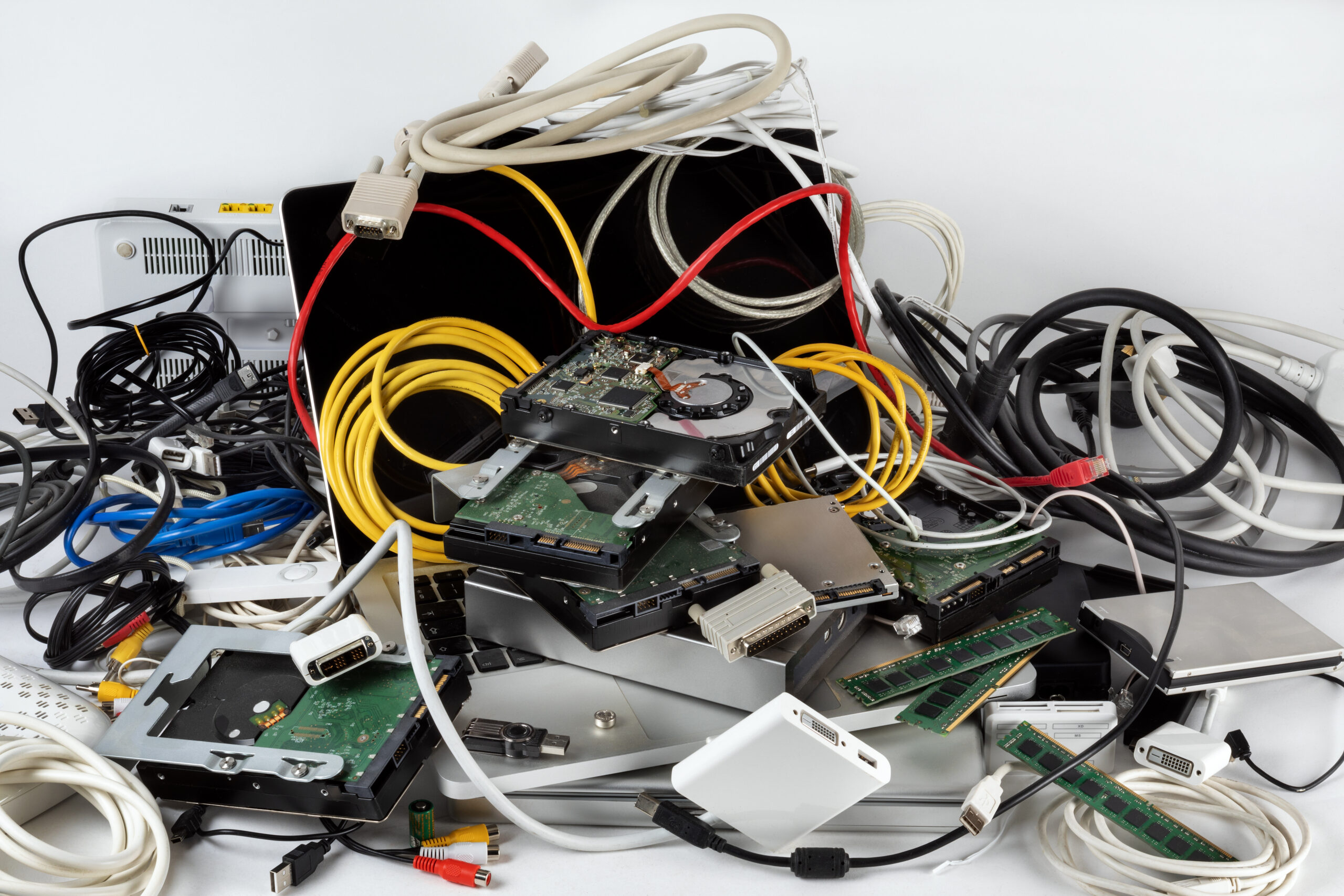
In the IT world, asset recovery refers to the process of retrieving value, processing, and remarketing outdated or a surplus of technology assets. This can include desktops, laptops, servers, mobile devices, networking gear, monitors and other digital equipment.
Unlike ad-hoc resale or disposal, technology asset recovery is a structured practice that balances three goals:
- Financial recoupment of asset value
- Secure and compliant data handling
- Environmentally responsible reuse or recycling
For businesses, corporate asset recovery is a strategic way to control costs, stay compliant, limit company resources expended to recover value, and enhance brand reputation.
The Benefits of Asset Recovery for Businesses
A well-run asset recovery program offers far more than just a cash return. Drawing from our previous article “Benefits of Asset Value Recovery to Your Business”, here are the major advantages:
- Financial Recoup & Reduced Tax Burden
Through inventory write-downs, a company can devalue a portion of surplus technology. The depreciated value is credited as a write-down in your accounts, which reduces taxable revenue. - Lower Inventory & Storage Costs
Storage space is expensive. Liquidating IT assets reduces total inventory and frees up space for new technology equipment. - Waste Prevention & Environmental Benefits
Choosing recovery over disposal prevents waste and supports environmental protection. This may not yield direct financial gains but shows good corporate citizenship. - Corporate Sustainability & Investor Appeal
Sustainability plans are increasingly important to investors. By recycling, preventing waste, and reselling refurbished products, asset value recovery promotes a positive brand image and attracts investors.
Asset Recovery vs Asset Disposal: Key Differences
Although the terms are sometimes used interchangeably, asset recovery and asset disposal are not the same.
- Asset disposal typically means getting rid of unwanted equipment with little to no focus on reclaiming value.
- Asset recovery, on the other hand, emphasizes maximizing resale value, ensuring secure data destruction, and meeting environmental standards.
Companies that opt for recovery rather than simple disposal demonstrate more effective resource use and can even turn surplus assets into a revenue stream.
Steps in IT Asset Recovery
- Inventory & Audit – Identify the surplus of IT equipment and record serial numbers.
- Secure Packaging & Transport – Use specialized containers (like our e-Crate solution) to safely ship devices.
- Valuation & Resale – Leverage a network of qualified buyers to maximize your assets value.
- Recycling or Responsible Disposal – Non-marketable items are processed through certified electronic recyclers.
- Reporting & Compliance Documentation – Provide transparent, serial-level reports for your records.
Each step protects your company from compliance risks and data breaches while extracting the maximum value from your IT assets.
In-House vs External Asset Recovery Teams
Many businesses wonder whether to handle this internally or outsource it. Drawing from our second blog “Why Your Business Should Choose an Asset Recovery Provider”, here’s a quick comparison:
- Internal Team: May work if you have continuous large-scale turnover of equipment and can absorb hiring/training costs. Your team must also have the contact and product knowledge to enable them to get maximum value for your IT assets.
- External Provider: Better for most companies because it saves time, reduces management overhead, and leverages professional systems and buyer networks.
Advantages of Using a Professional Asset Recovery Provider
An experienced, certified asset recovery provider offers clear benefits:
- Cost Savings – No need to hire, equip, or train an internal team.
- Convenience – Providers handle logistics, reporting, and compliance so you can focus on your core business.
- Better Resale Price – Access to wider networks of qualified buyers can yield higher returns.
- Flexible Coverage – Providers can complement your internal team or manage the process end-to-end.
- Compliance & Certifications – Look for providers with third-party certifications (such as R2v3) to ensure secure, legal operations.
- Indemnification– Certified provider will offer indemnification against data breach or improper recycling.
This professional approach makes asset recovery a safer bet for most businesses.
How to Choose the Right Asset Recovery Provider
When selecting a partner, evaluate:
- Certifications (R2v3, e-Stewards, ISO, etc.)
- Transparent Reporting & Chain of Custody
- Secure Data Handling (data destruction certificates)
- Geographic Coverage & Logistics Capabilities
- Customer References & Case Studies
For example, at E-Waste Online we combine R2v3-certified processes, transparent reporting, and a proven buyer network to deliver corporate asset recovery services with reporting for end-of-life IT equipment.
Final Thoughts: Getting Started with Asset Recovery
A solid asset recovery strategy helps you recoup costs, reduce storage fees, prevent waste, and build a stronger sustainability profile. Whether you handle it internally or through an external partner, the key is to follow a secure, documented process.
Looking for a trusted, R2v3 certified provider? Click here to learn more about our Asset Recovery Services.
FAQs
What types of IT equipment can be recovered?
Most digital equipment including desktops, laptops, servers, mobile devices, and networking hardware.
Is asset recovery environmentally friendly?
Yes, certified providers ensure non-marketable items are responsibly recycled.
How is data security handled during recovery?
Providers issue data destruction certificates and maintain secure chain-of-custody procedures.
What certifications should an asset recovery provider have?
Look for R2v3, e-Stewards, ISO, or similar recognized standards.