Originally published in 2012. Updated in 2025 by e-Waste LLC.
Editor’s Note (Updated 2025):
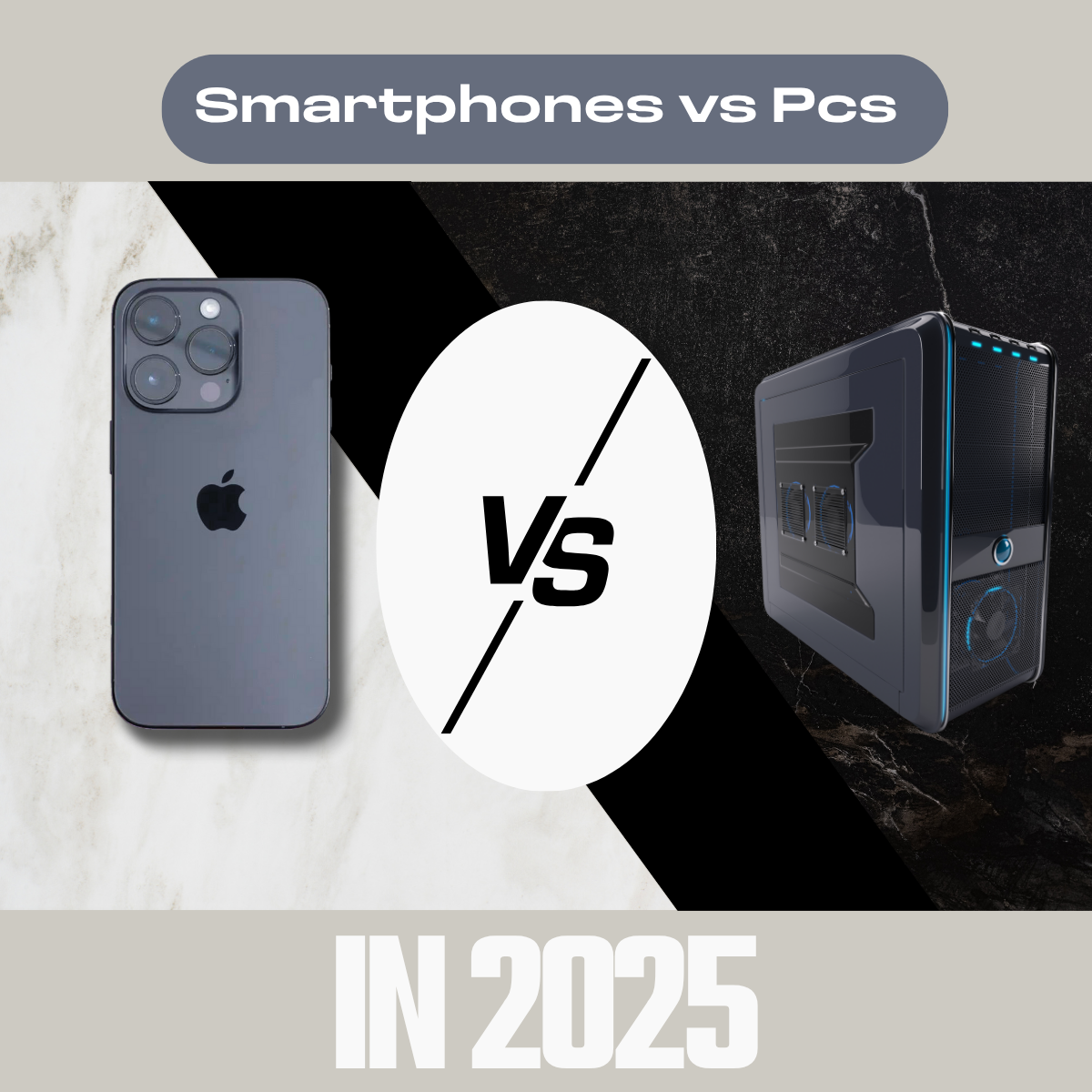
When this article was first published, 2011 marked the first year smartphone shipments surpassed personal computers. Fourteen years later, smartphones remain the dominant force in globally. Smartphone market share reshaped how people work, communicate, manage information, and it continues to drive major changes in data security, IT asset management, and electronic recycling.
Looking Back: The Year Smartphones Surpassed PCs
In 2011, smartphones officially overtook PCs in global shipments for the first time, a milestone that changed the direction of the tech industry.
According to market research firm Canalys, OEMs and vendors shipped 487.7 million smartphones in 2011, compared to 414.6 million PCs. That represented a 63% year-over-year increase in mobile devices versus a 15% rise in PCs. When tablets were excluded from the PC category, shipments for desktops, laptops, and netbooks totaled 351.4 million units.
At the time, analysts saw the spike in smartphone growth as temporary. But instead of leveling off, the mobile market exploded. Within just a few years, smartphones became essential business and personal tools, redefining global smartphone market share in ways no one predicted.
Where the Smartphone Market Stands Today
Fast forward to 2025, and smartphones have cemented their lead. According to IDC, global smartphone shipments topped 1.2 billion units in 2024, while PC shipments hovered around 260 million.
Today, roughly 60% of the world’s population owns a smartphone, and that ubiquity is reshaping how people work, communicate, and manage information. With faster processors, better cameras, and increased storage, modern smartphones often replace the need for a desktop computer.
For businesses, this dominance creates new challenges like managing mobile data security, device recycling, and end-of-life compliance. The rapid upgrade cycle means more devices enter the waste stream each year, amplifying the need for responsible recycling solutions.
The Impact on Electronics Recycling
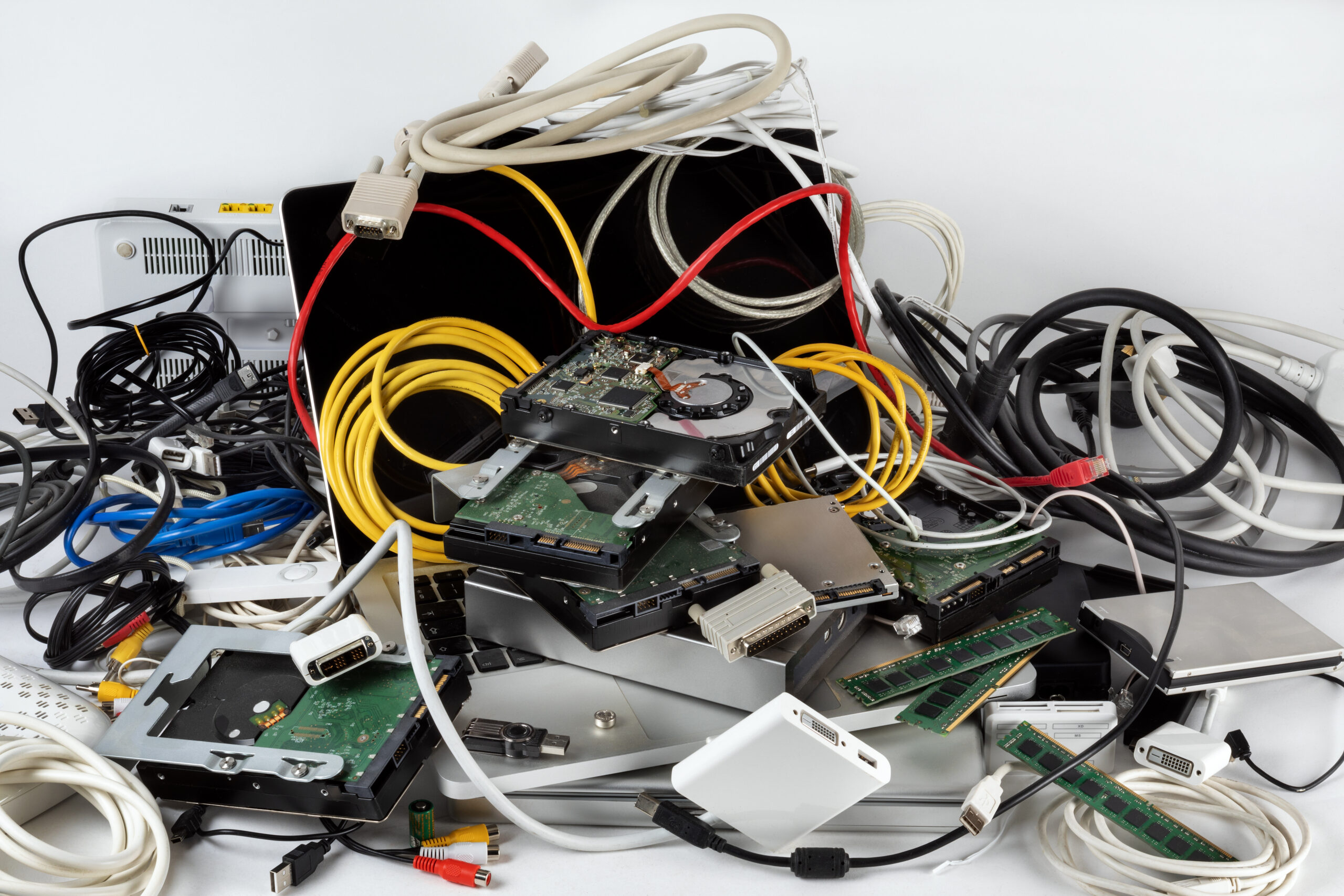
The shift in smartphone market share has transformed the e-waste landscape. Smartphones are smaller but more complex than PCs, containing valuable metals like gold, cobalt, and lithium along with sensitive personal and corporate data.
At e-Waste LLC, we help businesses handle these challenges by maintaining R2v3 certification and providing secure data destruction services. After destroying hard drives and wiping data from mobile devices, we ensure all materials are responsibly recycled to reduce environmental impact and protect sensitive information. To read more about electronic recycling, check out our blog here!
Our certified processes follow the highest security standards, giving businesses confidence that their retired devices are handled safely, ethically, and in full compliance with industry regulations.
Final Thoughts
The growing smartphone market share marks one of the biggest shifts in modern technology. What started as a turning point in 2011 has now become a permanent reality: mobile devices lead the digital world.
For companies, that means adapting how IT assets are managed and disposed of. Partnering with a certified recycler like e-Waste LLC ensures your business stays secure, compliant, and environmentally responsible as technology continues to evolve. Learn more about our Technology Recycling services.